

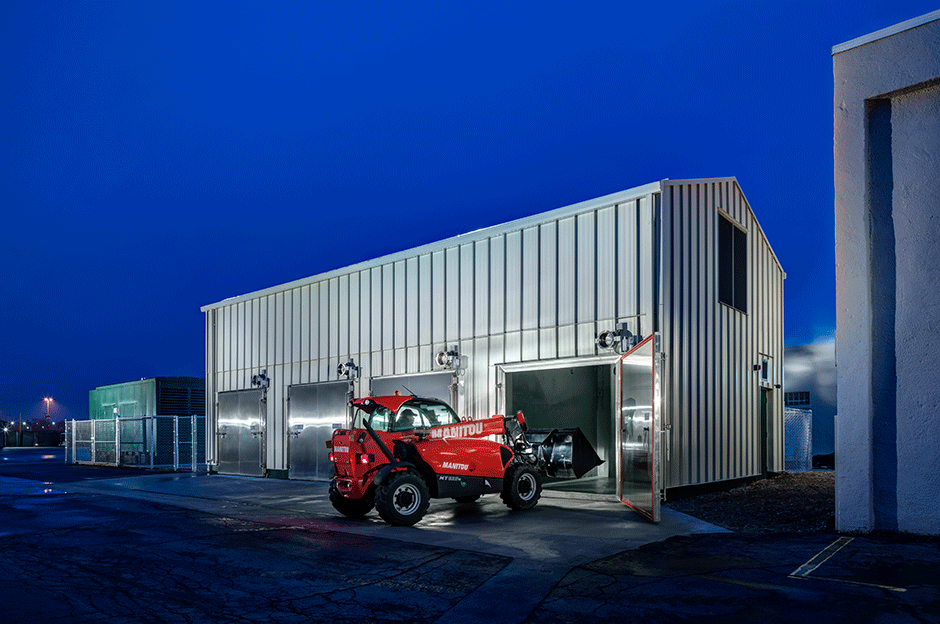
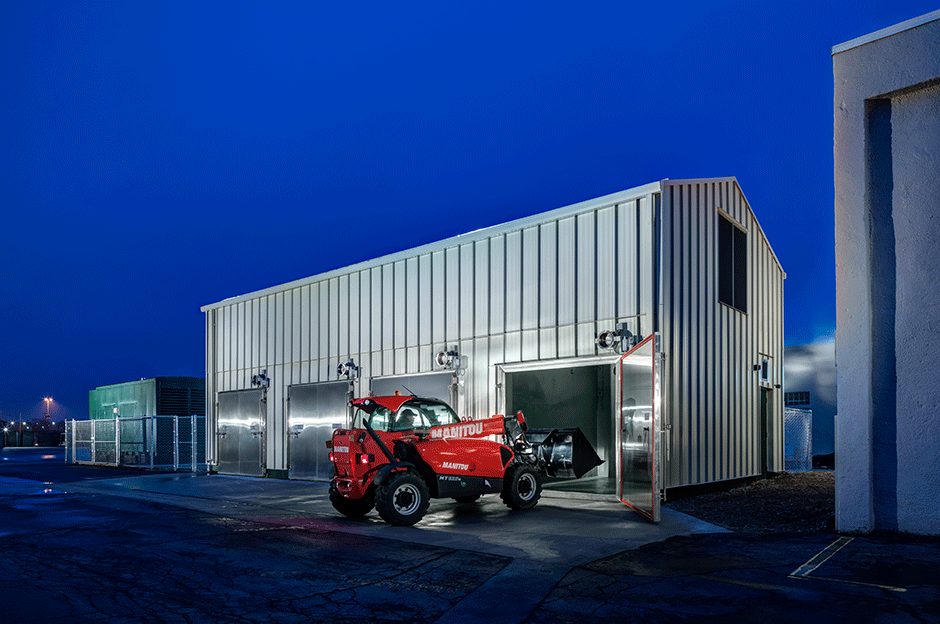
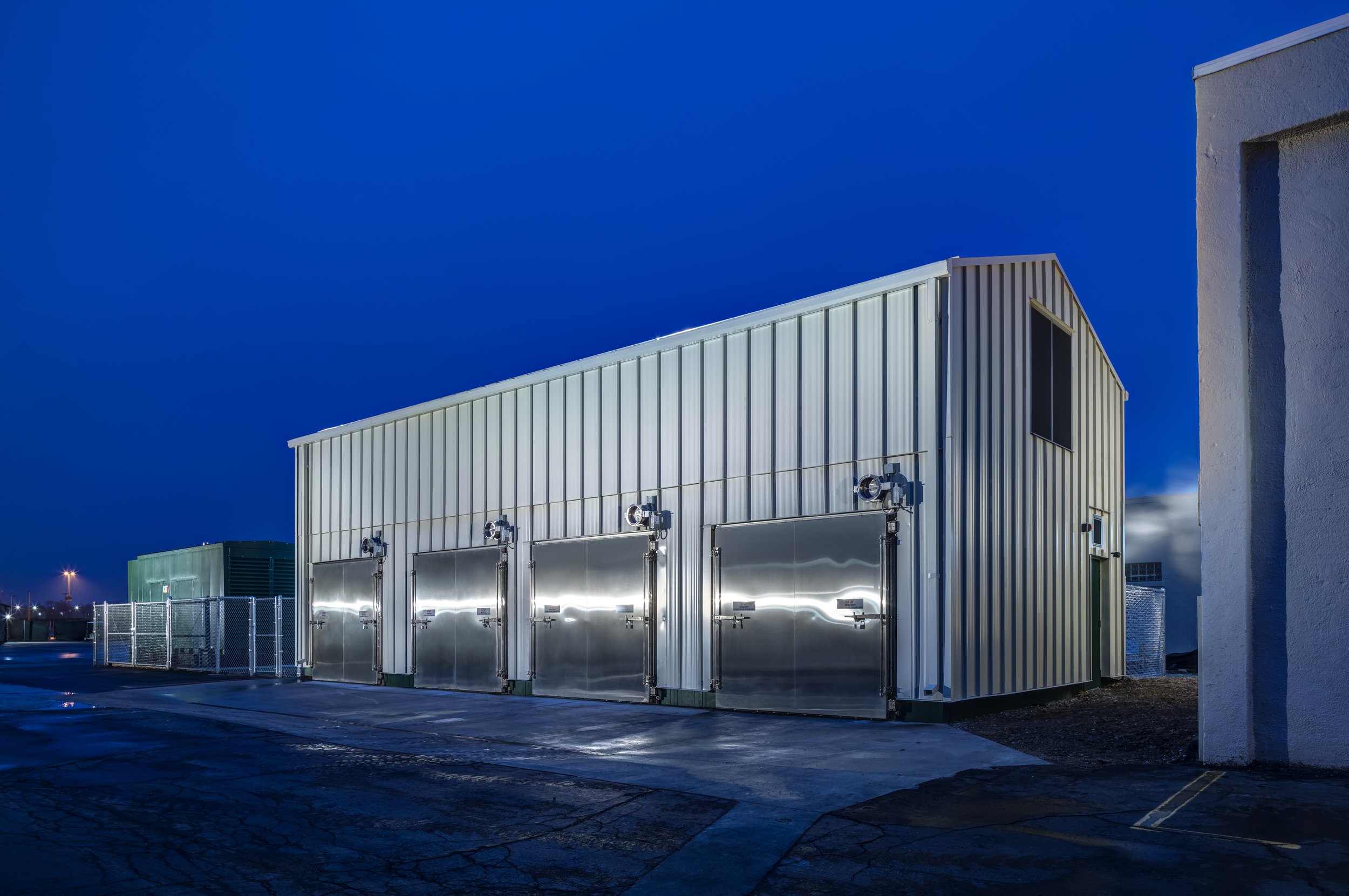
Detroit Zoo: Anaerobic Digester
| Client | Detroit Zoological Society |
| Location | Royal Oak, Michigan |
| Size | 1,250 sf |
| Sector | Industrial |
| Services | Architecture, Engineering |
| Completion | 2017 |
Source: Jake Rapanotti/Detroit Zoo
Royal Oak, Michigan | Alternative Energy Production
Kahn continues to look for new ways to care for the environment. The Detroit Zoological Society's biodigester once again highlights the creativity of Kahn's architects and engineers, working in partnership with Michigan State University and the zoo's environmentally conscious team. Together, the project sought new ways to conserve energy, reduce costs, and support responsible environmental stewardship.
First of Its Kind
The Detroit Zoo's biodigester is the first ever built at a North American zoo to use animal waste to generate electrical power for the zoo itself. The zoo no longer needs to manage the removal of over 400 tons of manure annually to off-site disposal locations or incur the associated costs.
How It Works
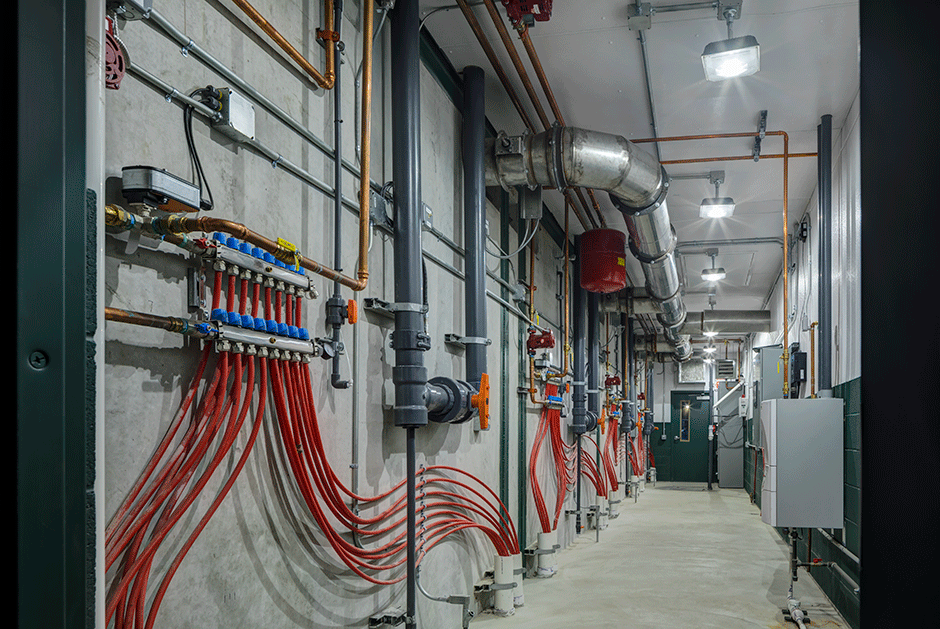
The facility functions like a mechanical stomach. It is fed organic material, which is broken down by micro-organisms in an oxygen-free, or anaerobic, environment to produce a renewable energy source called biogas, made up of methane and carbon dioxide. As a simplified description of a highly engineered and scientific process, the biogas is converted into electrical power.
Partnership and Research
The project was developed in partnership with Michigan State University's Anaerobic Digestion Research and Education Center, which conducted feasibility research on the zoo's waste-to-energy potential before design began.
Results
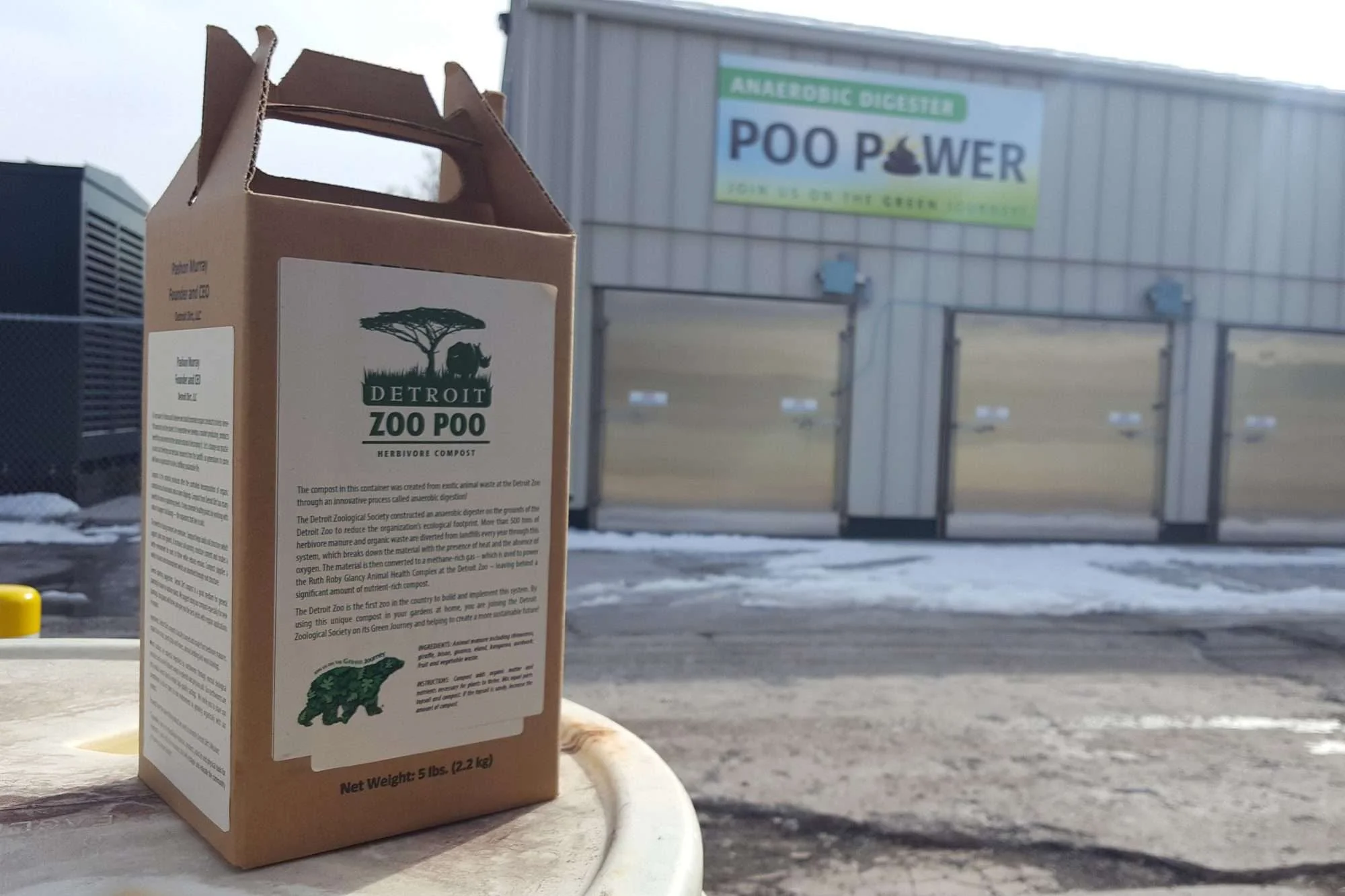
The digester generates power for the zoo's Ruth Roby Glancy Animal Health Complex, with anticipated annual savings to the zoo of $120,000. Beyond electricity generation, the process also produces compost used throughout the zoo's grounds.
Detroit Zoo Anaerobic Digester FAQ’s
-
The Detroit Zoo biodigester is the first anaerobic digester built at a North American zoo. It converts animal waste into biogas, which is then converted into electrical power for the zoo.
-
Organic waste is broken down by micro-organisms in an oxygen-free environment, producing biogas made of methane and carbon dioxide. That biogas is then converted into electrical power.
-
In addition to generating electricity, the process produces compost, which is used throughout the zoo's grounds.
-
The zoo built the biodigester to reduce energy costs, eliminate the expense of hauling manure off-site for disposal, and support its broader sustainability and waste-reduction goals.
Learn more about our work in this market: Industrial
Learn more about our services: Architecture and Engineering